FREE SHIPPING ON ORDERS OVER $1000*
* Excludes certain products - Only available for purchases of $1000 or More
5% OFF ANY ORDER Use Code: SUPER5OFF

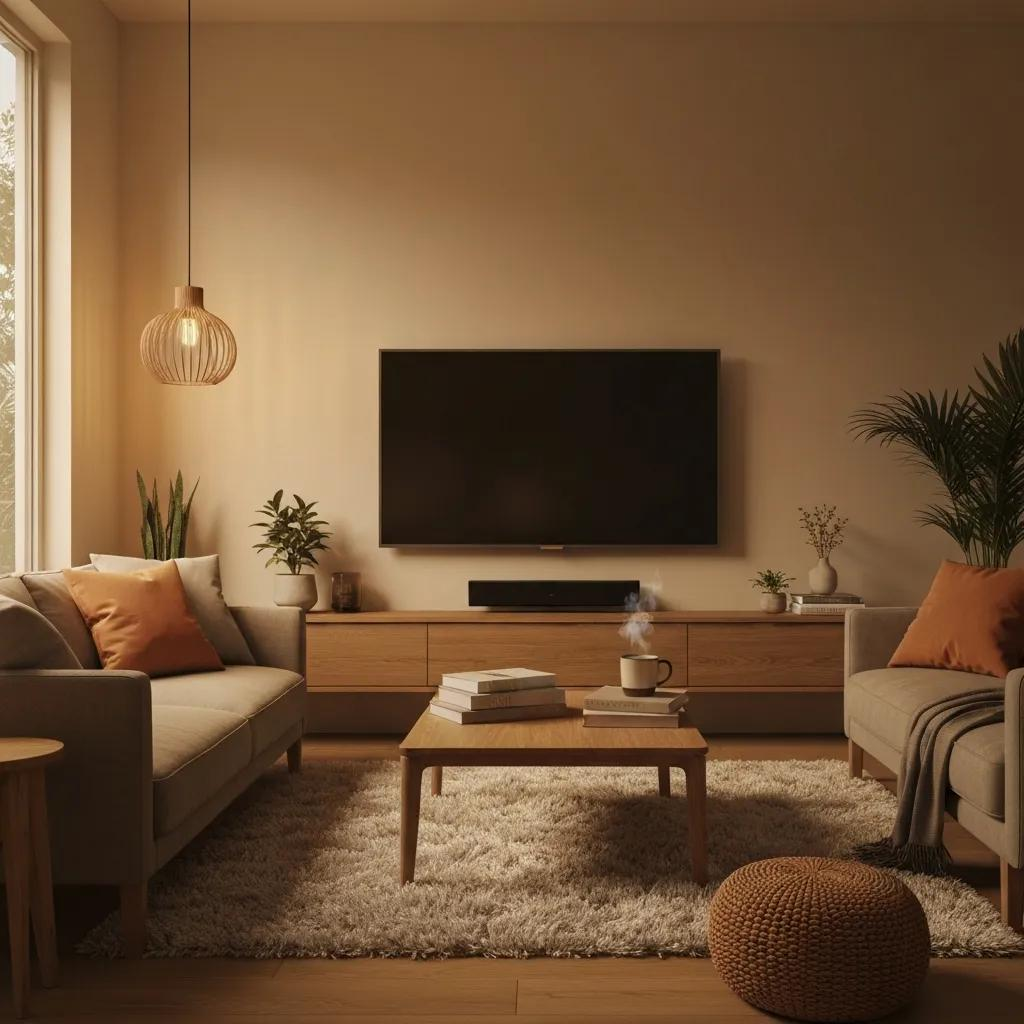
Discover the Top Specialty Lighting Options for a Cozy, Warm Home Atmosphere with Warm Lighting Ideas for Home
The right lighting can turn any house into a welcoming, comfortable retreat. Warm tones, carefully chosen fixtures, and layered lighting strategies not only illuminate spaces but also shape mood and atmosphere. This guide makes “cozy lighting” practical, showing how to select the best bulbs, fixtures, and placement for each room. You’ll get clear tips on color temperature, fixture types, materials, and energy-efficient options, along with step-by-step layering techniques and advice for using dimmers or smart controls. Whether it’s the living room, bedroom, dining area, or kitchen, this article helps you create a warm, inviting home that’s both functional and relaxing.
What Are the Top Specialty Lighting Types to Create a Cozy Ambiance?
Specialty lighting types, ambient, accent, and task fixtures work together to shape a warm, layered environment, each with distinct roles in controlling beam spread, diffusion, and focal warmth. Ambient fixtures like wall sconces and recessed cans provide base illumination that should be warm and diffused to prevent glare; accent fixtures such as table lamps, picture lights, and LED strips add depth and highlight textures; task fixtures offer focused light for reading or cooking while leaning warm in tone so they don’t clash with the overall palette. Selecting fixtures with warm finishes and diffusing shades further softens light and reflects warmer tones back into the space. The result is a composition of light that looks intentional and supports relaxation.
Below is a comparative EAV-style table showing how common fixture types deliver warmth.
| Fixture Type | Best Use Case | Warmness Factors |
|---|---|---|
| Wall Sconces | Soft ambient in corridors/living rooms | Frosted glass, uplight component, warm bulb |
| Table/Floor Lamps | Localized cozy pools in seating areas | Fabric shades, warm-dim bulbs, layered placement |
| Pendant Lights | Dining table focal lighting | Shade material, lamp color, positioned low for intimacy |
| Recessed/Ambient Cans | General ambient with multiple sources | Use trims/diffusers and baffles to avoid cool hotspots |
What Is the Best Color Temperature for Warm Lighting in Your Home?
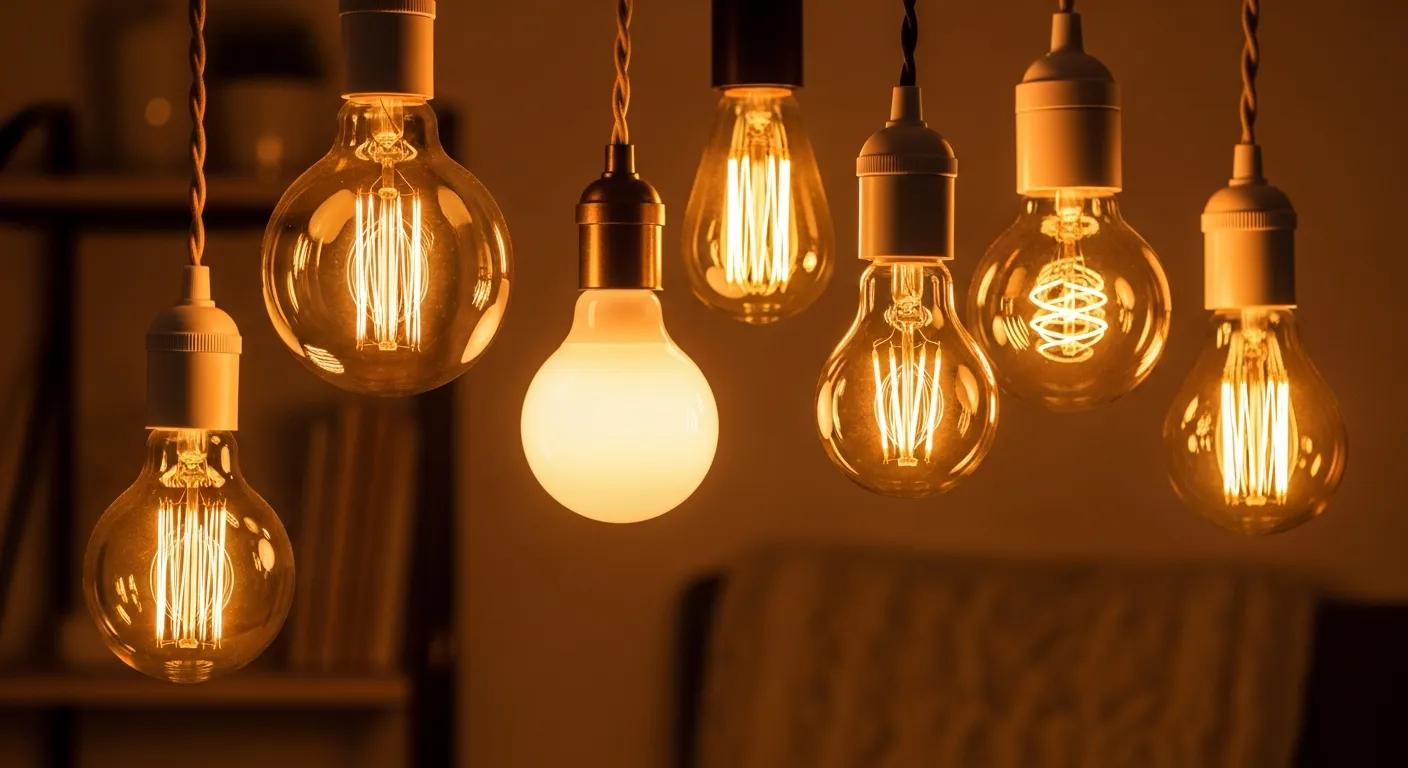
Color temperature quantifies the perceived warmth or coolness of light using the Kelvin scale, and lower Kelvin values (warmer, amber-yellow tones) create a soothing, intimate atmosphere that supports relaxation and social comfort. In practical terms, a warm color temperature reduces high-contrast shadows and shifts skin tones toward more flattering, comfortable hues, helping rooms feel enveloping and restful. Choosing the correct Kelvin affects mood and function: too cool for relaxing spaces makes rooms feel clinical, while too warm for task areas reduces visual clarity. The immediate benefit is improved evening relaxation and more inviting social spaces; the mechanism is a spectral shift toward longer wavelengths that the eye interprets as "warm." Below is a room-oriented quick reference you can use when selecting bulbs and fixtures.
This table summarizes recommended color temperatures and lumen guidance per common room type.
| Room Type | Recommended Kelvin | Lumens / Notes |
|---|---|---|
| Living Room | 2700K–3000K | 1,500–3,000 total lumens; layered sources for flexibility |
| Bedroom | 2700K | 1,000–2,000 total lumens; warm bedside task lights recommended |
| Dining Room | 2700K | 2,000–3,000 lumens focused on table area; dimmable for intimacy |
| Kitchen (ambient) | 3000K (mix) | 3,000–6,000 lumens overall; task areas may use slightly higher K |
| Hallway/Entry | 2700K–3000K | 500–1,200 lumens; accent to highlight art or texture |
How Does Color Temperature Influence a Cozy, Warm Atmosphere?
Color temperature influences atmosphere by altering spectral content and contrast, with lower Kelvin light containing more long-wavelength (amber/red) light that the brain reads as warm and calming. This shift reduces visual harshness and softens shadows, which in turn diminishes physiological arousal and promotes relaxation, an effect supported by current research into circadian and mood responses to light. Practically, selecting 2700K–3000K fixtures in living and sleeping spaces enhances perceived comfort while preserving enough contrast for pleasant day-to-day tasks. When you need precise task performance, such as reading or cooking, combine warm ambient light with a slightly higher-CRI task source to retain clarity. Understanding this balance of comfort vs. acuity prepares you to assign different Kelvin values thoughtfully in a layered plan.
Which Kelvin Range Creates the Ideal Warm Glow for Different Rooms?
To achieve a consistent warm glow, aim for 2700K–3000K in living rooms, bedrooms, hallways, and entries, creating a cozy and inviting atmosphere. Dining rooms around 2700K provide flattering light for faces and food, enhancing social settings. Kitchens and home offices benefit from a layered approach, combining warm ambient light with 3000K–3500K task lighting for precise work while maintaining overall warmth. Selecting bulbs with high CRI (90+) ensures colors and skin tones appear natural. Aligning Kelvin ranges with each room’s function also helps guide fixture selection and dimming strategies for a harmonious, comfortable home environment.
How Do Ambient Lighting Fixtures Like Wall Sconces and Recessed Lights Enhance Warmth?
Ambient fixtures establish the base tone of a room by providing even, low-contrast illumination that wraps spaces in soft light rather than creating isolated bright spots. Wall sconces with upward and downward diffusion project indirect light onto walls and ceilings, increasing perceived brightness while preserving a gentle, warm glow; recessed fixtures can be fitted with warm-diffusing trims and dimmable warm LEDs to keep the ceiling plane luminous without glare. Placement matters: pair sconces at seating heights and distribute recessed fixtures to avoid deep shadows or hot beams. Ensuring dimmability and choosing frosted or fabric diffusers enhances the warmth and allows those ambient sources to blend with task and accent layers.
What Accent Lighting Options Add Depth and Warmth to Your Home?
Accent lighting table lamps, picture lights, LED strips, and uplights add depth by highlighting textures, art, and architectural features. Warm-toned bulbs and soft shades enhance coziness. Table lamps with fabric shades create inviting reading or conversation areas, while LED strips behind shelves or under cabinets highlight warm wood tones. Picture lights and small spot fixtures with 2700K lamps accent artwork or finishes without overpowering ambient light. Thoughtful layering of accents maintains warmth and visual richness throughout the space.
How Can Layered Lighting Techniques Improve Warmth and Comfort at Home?
Layered lighting uses ambient, task, and accent layers to create a flexible, cozy environment. Ambient sets overall warmth, task provides functional clarity, and accent adds depth and texture. Together with dimmers and scene control, layers maintain a cohesive warm palette while allowing adjustments for different activities.
- Establish a Warm Ambient Base: Use warm 2700K–3000K fixtures and dimmers to set a comfortable baseline glow.
- Add Warm-leaning Task Sources: Position adjustable lamps with higher-CRI bulbs where focused light is needed without shifting overall warmth.
- Layer Accent and Decorative Lights: Include table lamps, picture lights, and LED strips to sculpt texture and enhance intimacy.
What Are the Three Layers of Lighting and Their Roles in Creating Warmth?
The three layers, ambient, task, and accent, serve distinct semantic roles: ambient establishes a warm perceptual field, task provides localized clarity where precision is required, and accent creates depth and focus to bring out materials and focal points. Ambient should be warm and diffuse so it does not compete with accents; task lighting must balance warmth with spectral quality (high CRI) to maintain accurate color and visibility; accent lighting works at lower intensities to highlight textures and shapes and to increase perceived coziness. An example living room layout pairs recessed warm ambient with a dimmable floor lamp for task and small picture lights or LED strips for accent. Designing each layer intentionally ensures the final composition reads as cohesive warmth rather than a collage of mismatched lights.
How Do Dimmers and Adjustable Fixtures Help Customize Warm Lighting?
Dimmers and adjustable fixtures let you control light intensity and, in advanced systems, color temperature to maintain warmth for activities like dining, reading, or relaxing. Use compatible warm-dim or tunable-white LEDs and drivers to avoid flicker or color shifts. Presets and scenes allow easy transitions from bright tasks to soft evening glow, saving energy while keeping a consistent cozy atmosphere. Professional consultation can help design and implement layered lighting systems for optimal results.
Which Materials and Fixture Designs Best Support Warm, Cozy Lighting?
Materials and fixture design profoundly influence how light is reflected, absorbed, and perceived; warm finishes and diffusing materials amplify a cozy feel by adding warm reflections and softening glare. Brass, bronze, and warm wood tones reflect light with a subtle amber cast that complements 2700K–3000K bulbs, while fabric shades and frosted glass act as soft diffusers that scatter light and reduce harsh hotspots. Fixture scale and proportion matter: oversized cool-metal fixtures can look imposing and reflect cooler color casts, while layered mixes of wood and brass with soft shades read as tactile and inviting. The practical benefit of choosing the right materials is that you gain more perceived warmth without increasing energy use or bulb output.
When you select fixtures, pair materials to room finishes and textures to create a unified warm palette that supports the lighting plan described above.
How Do Materials Like Brass, Wood, and Fabric Affect Lighting Warmth?
Brass and bronze finishes reflect warm highlights that enhance amber-rich bulb spectra, subtly warming surfaces and skin tones; these metals act as secondary light sources that emphasize warmth. Wood absorbs and re-radiates light in warm hues, especially medium to dark tones that deepen the ambient glow and reduce glare from hard surfaces. Fabric shades diffuse and soften light, converting point sources into gentle pools that are comfortable for prolonged exposure and create a tactile sense of shelter. Selecting these materials alongside warm Kelvin bulbs multiplies the perceived warmth and helps maintain a cohesive aesthetic across fixtures and furnishings.
These material choices inform which fixture styles best complement a warm home atmosphere, discussed next.
What Fixture Styles Complement a Warm and Inviting Home Atmosphere?
Fixture styles that prioritize soft lines, warm finishes, and layered scale, such as classic farmhouse pendants, mid-century wood-and-brass table lamps, and fabric-shaded sconces, tend to complement cozy interiors by pairing visual warmth with warm light. Modern warm designs use matte warm metals, wood accents, and low-glare diffusers to blend contemporary lines with comfortable light behavior; rustic styles emphasize textured shades and amber glass for tactile warmth. Scale is important: choose fixtures proportional to the room and pair larger ambient sources with smaller accent pieces to balance illumination. Avoid overly polished chrome or cool stainless finishes in primary living and sleeping spaces unless balanced by warm shades or wood elements.
Selecting styles that echo room finishes ensures fixtures support both aesthetic and photometric warmth.
How Do Room-Specific Lighting Solutions Create a Cozy, Warm Atmosphere?
Using color temperature, fixture choice, materials, and layering, you can design warm, inviting lighting for each room. Living rooms and bedrooms benefit from 2700K–3000K ambient light with bedside or floor lamps for reading and comfort. Dining rooms work best with low-hung pendants or chandeliers focused on the table. Hallways should combine low-level ambient and accent lighting to highlight art or textures, while kitchens need a warm ambient base plus brighter task lighting over counters and islands.
- Living Room Checklist: Use a warm ambient source with 1–2 floor or table lamps, include accent lights for art/texture, and install dimmers for scene control.
- Bedroom Checklist: Prioritize a warm overall ambient, bedside lamps with warm-dim bulbs, and low-level accent light for dressing areas.
- Dining Room Checklist: Choose a pendant or chandelier around 30–36 inches above the table with dimming capability and 2700K bulbs for intimacy.
What Are the Best Warm Lighting Ideas for Living Rooms and Bedrooms?
For living rooms, combine a warm ambient layer (recessed cans or dimmable overhead) with two or three table/floor lamps positioned to create conversational pools of light and an accent source to highlight art or shelving. Use bulbs rated 2700K–3000K and aim for 1,500–3,000 total lumens distributed across layers; position bedside lamps at eye-height when seated to minimize glare and choose warm-dim LED bulbs for soft evening transitions. Incorporate wall sconces beside seating for indirect uplight that opens the ceiling plane, and consider plugs or smart lamps for flexible rearrangement. These choices yield a comfortable mix of function and atmosphere that supports relaxation and social activities.
The same layering logic applies to bedrooms, with an emphasis on lower overall lumen targets and warm bedside task lighting for reading.
How Can Dining Rooms and Hallways Benefit from Specialty Warm Lighting?
Dining rooms benefit from a focal pendant or chandelier placed approximately 30–36 inches above an average-height table to create concentrated warm illumination on the eating surface while dimming for intimate meals. Use warm 2700K bulbs and ensure the fixture’s shade or diffuser softens direct glare; complement the pendant with low-level wall sconces or accent uplights to illuminate surrounding textures. Hallways gain from low-level ambient light complemented by accent picture lights or small sconces to highlight texture without overpowering the path; aim for 500–1,200 lumens and use warm bulbs to maintain continuity with adjacent rooms. Thoughtful mounting height and spacing ensure these transitional spaces feel welcoming rather than utilitarian.
What Modern and Energy-Efficient Specialty Lighting Options Enhance Warmth?
Warm-dim LEDs, tunable-white fixtures, and smart bulbs create cozy atmospheres while saving energy and lasting longer. Warm-dim LEDs maintain a soft, incandescent-like glow when dimmed. Tunable-white systems adjust color temperature for circadian support, defaulting to warm in the evening. Smart bulbs allow scene control and scheduling to keep lighting consistent with the mood. These options combine efficiency with precise control for a comfortable, warm home.
| Technology | Energy Efficiency & Lifespan | Warm-light Capabilities & Controllability |
|---|---|---|
| Warm-dim LED | Very efficient; 15,000–50,000+ hours | Preserves warm tone when dimmed; incandescent-like dim curve |
| Tunable-white LED | Highly efficient; long lifespan | Variable Kelvin (2700K–4000K) for dynamic warmth and daylighting |
| Smart LED Bulbs | Efficient; comparable lifespan to LEDs | Scene scheduling, dimming, and color-temperature presets via app/voice |
How Does Smart Lighting Integration Allow Dynamic Warm Ambiance Control?
Smart lighting lets you create flexible, warm environments by controlling intensity, color temperature, and scenes across zones like ambient, task, and accent. Preset schedules or scenes can adjust lighting automatically for activities such as dining, reading, or relaxing in the evening. Ensure bulbs, drivers, and hubs are compatible to avoid flicker or delays. For seamless setup, professional consultation can help design and implement a reliable, integrated system.
Why Are LED Bulbs the Best Energy-Efficient Choice for Warm Lighting?
LEDs offer long lifespans, high energy efficiency, and the ability to mimic warm incandescent tones. Features like high CRI, warm-dim behavior, and tunable-white options allow them to create cozy, comfortable interiors while using far less power than traditional bulbs. When selecting LEDs, prioritize high CRI (90+), warm-dim filaments, and ensure dimmer compatibility to prevent flicker. For optimal results, homeowners can consult lighting professionals for design, selection, and installation, especially when integrating smart controls.
Conclusion
Creating a warm and inviting atmosphere in your home is achievable through the thoughtful selection of color temperatures, fixture types, and layered lighting techniques. By understanding how to combine ambient, task, and accent lighting, you can enhance comfort and visual appeal in every room. Explore our curated collection of specialty lighting options at Lighting Disty to find the perfect fixtures that align with your cozy vision. Start transforming your space into a warm haven today!